

A funeral is generally connected to the death itself, and often involves the body. A memorial service or celebration of life is a ceremony to remember someone, usually held without the body present. The difference between the last two is mostly tone rather than structure, which is where most of the confusion comes from.
The difference at a glance
| Funeral | Memorial service | Celebration of life | |
|---|---|---|---|
| Body present | Usually | Not usually | Not usually |
| Timing | Usually part of the arrangements soon after death | Flexible, from days to months later | Flexible, from days to a year or more later |
| Tone | Often more formal, sometimes religious | Set by the family, can range from formal to relaxed | Often more personal in style, though not always informal |
| Who usually speaks | Clergy, celebrant, or close family | Family, friends, or a celebrant | Often a wider mix of family and friends, sometimes with an open floor |
| Typical venue | Chapel, church, or cemetery | Function room, garden, or hall | Wider range, including a home, garden, or venue chosen for the person |
| Often suits | Families who want the body present, or who are following a religious or cultural tradition | Families who want a ceremony without the weight of a full funeral | Families who want the gathering to reflect the person's personality and life |
A memorial service and a celebration of life are generally the same type of gathering, held once the body is no longer part of the event. "Celebration of life" usually just signals a more personal or reflective tone, rather than a different structure.
Does cremation or burial change your options?

Yes, in one specific way. Once cremation or burial has taken place, a ceremony held afterwards won't have the body present, which is what generally separates a funeral from a memorial service or celebration of life.
This matters most for direct cremation or burial, where no service is held at the time. In that case, any later ceremony is, by definition, a memorial service or celebration of life rather than a funeral, since the body isn't part of it. Families in this position often have more freedom on timing, since there's no service already booked around the cremation or burial itself.
Which one fits your situation
You want the body present, or a religious or cultural tradition applies. A funeral is usually the starting point here, since it's built around that.
Cremation or burial already happened without a service, and you want to hold something afterwards. This is a memorial service or celebration of life by default, since the body isn't part of it. How personal or formal you make it is up to the family.
You want a ceremony that focuses on who the person was, rather than following a set structure. A celebration of life tends to lean this way, though a memorial service can be shaped the same way if that's what the family wants.
Family are interstate or overseas, or you simply need more time. A memorial service or celebration of life can be held whenever it makes sense, since it isn't tied to the body or to cremation timing.
The person left instructions, or the family has a strong preference either way. Follow what's known, and use judgement on anything the instructions didn't cover.
Can you have a funeral and a celebration of life?

Yes, and it's a common way to separate what's time-sensitive from what needs more planning. A funeral or private cremation happens first, dealing with the body and any legal or religious requirements. A celebration of life follows later, once there's time to plan a gathering that reflects the person more fully, without those constraints.

This also means the two events can look different from each other. The funeral is often smaller, more formal, and limited to close family. The celebration of life can be larger, more relaxed, and open to a wider circle of friends and colleagues who weren't part of the funeral itself.
If you've decided a celebration of life is part of your plan, how to plan a celebration of life covers the venue, running order, speakers and budget in detail.
Where Mornington Green fits in

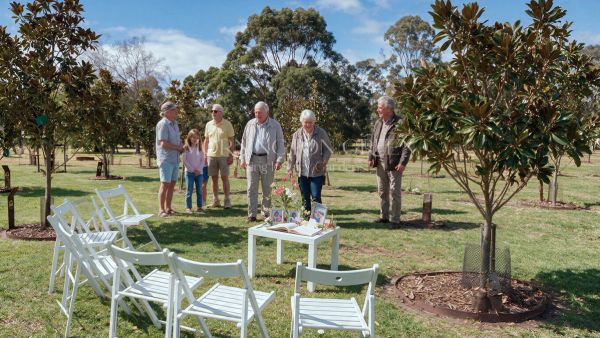
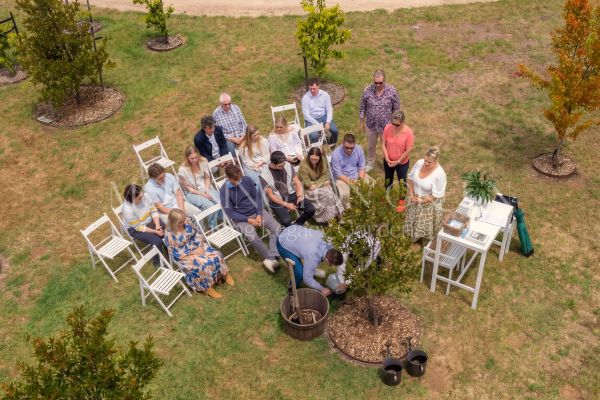
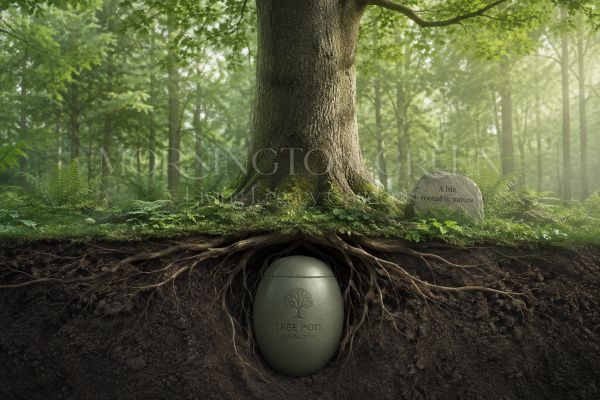
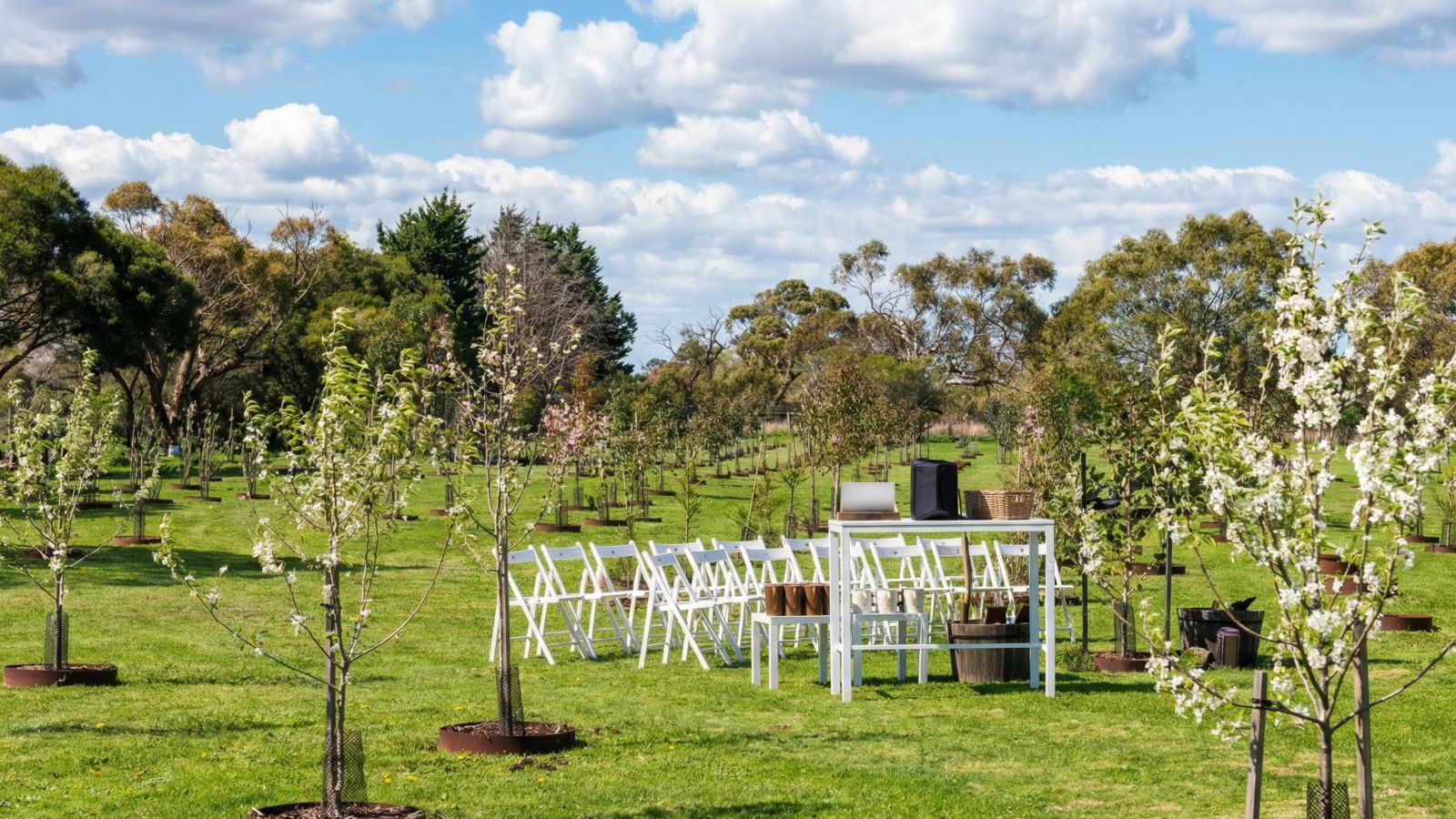
Some families choosing a celebration of life also want a permanent resting place as part of the same event, rather than arranging it separately. Mornington Green pairs the ceremony with the planting of a Living Legacy Tree in the gardens on the Mornington Peninsula, so the two happen together. Schedule a call if that's worth looking into.
Frequently asked questions
Is a celebration of life actually different from a memorial service, or mainly a difference in tone? Mainly tone. They're generally the same type of gathering, held without the body present. "Celebration of life" signals a more personal, reflective approach, not a different format.
How long after a death can you hold a celebration of life? There's no fixed deadline. Families hold them anywhere from a few weeks to a year or more after the death.
Is a memorial service the same as a wake? Not quite. A wake is usually held around the time of the funeral, before or after it. A memorial service is a separate ceremony, often held later, focused on remembering the person rather than the funeral proceedings.