

"Unique" doesn't have to mean unusual. Most families end up choosing from a fairly short list of familiar things: food, music, photos, stories, a place that mattered. What makes them feel personal isn't the format, it's the specific detail underneath it.
These are 13 of those familiar ideas, with a note on what tends to make each one actually feel like the person, rather than like an event. If you're still working out the shape of the day itself, planning a celebration of life covers the venue, timing and speakers, and memorial service vs celebration of life is worth a look if you're not sure this is even the right type of ceremony yet.
1. Cook their favourite dish

Not "their favourite food" in general, but the one dish only they made a certain way, the one nobody else has quite gotten right since.
Whoever learned it from them can make it, mistakes and all, and people can say out loud what's different about it. That imperfection is usually part of the story.
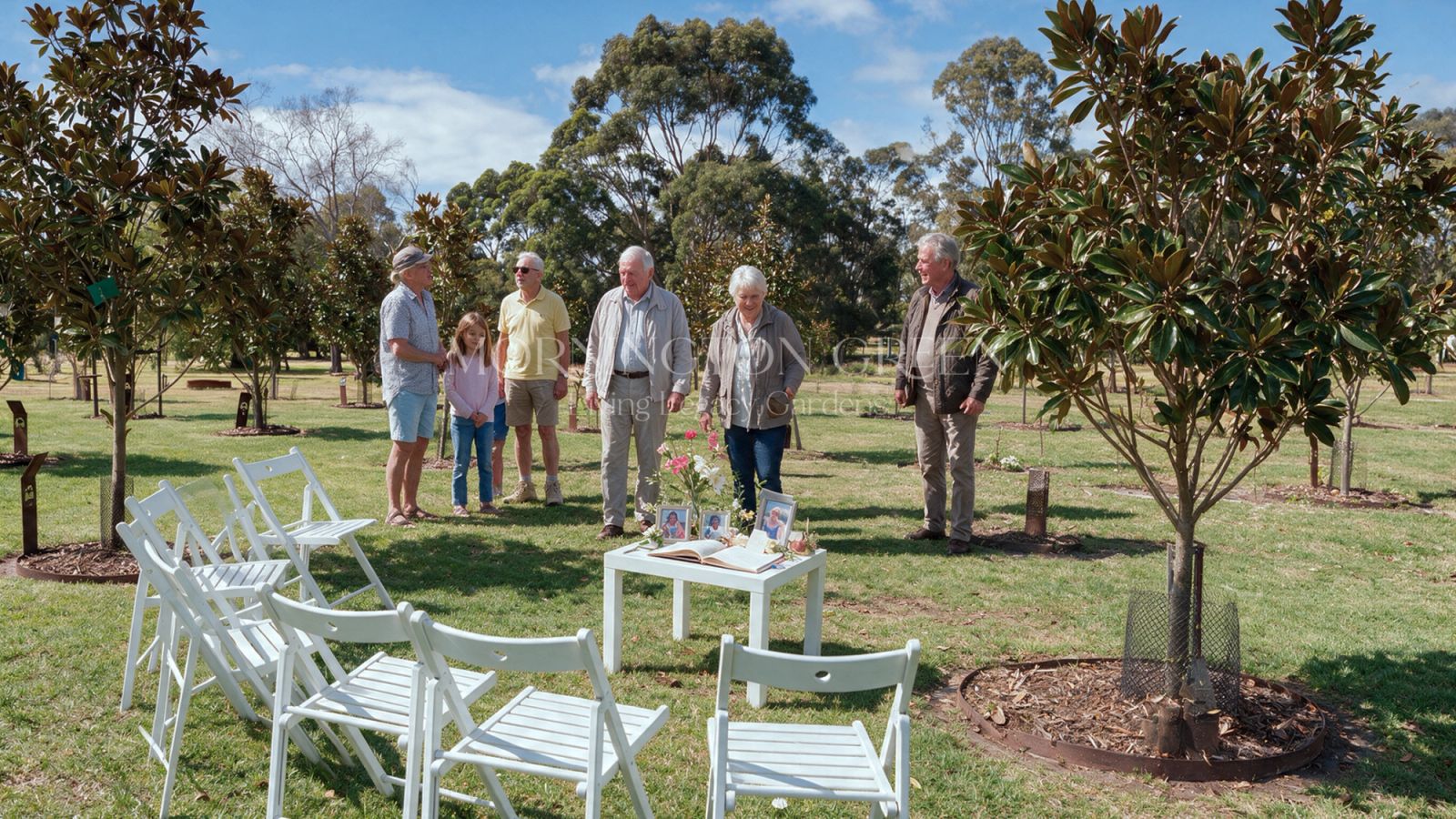
2. Display photos and memories attached

A photo display is easy to do and easy to do blandly. What changes it is a line or two next to each one, not a caption exactly, more like what someone would say if you asked them about the photo.
Get a couple of family members to pick the photos together rather than one person working alone, since between them they'll remember different things about the same picture.
3. Play their favourite songs

A song tied to a specific memory works better than "a song they liked." One guest's pick might be what was playing the night they met their partner, another's the one that always came on during a long drive.
Played through the day, it turns into a soundtrack that only makes sense because of who chose each one.
4. Share favourite memories
"Does anyone want to say a few words" tends to get silence, or the same two people. A specific prompt works better: the funniest thing they ever said, or the best advice they ever gave you.
People who'd never volunteer to speak often have an answer ready the moment you ask it that way.

5. Continue a family tradition
If they ran a trivia night, hosted a particular dinner, or had some tradition the family already knows, that's often the strongest idea available, not because it's original, but because it's already theirs.
Running a small version of it doesn't need reinventing. It just needs someone willing to keep the same rules, including the ones nobody else ever understood.
6. Choose a meaningful place

Not a nice park in general, but their bench, their walking track, the café they went to every week. The setting does more work than any activity you could plan on top of it, and it gives people something to do together that doesn't require anyone to perform.
7. Set up a memory book
Left blank, most guest books get a name and a date. Given something to answer, a memory of them, or something you wish you'd told them, they turn into something worth reading back later. It's a small change with a big difference in what ends up on the page.
8. Read something they wrote
A text, a letter, a voicemail still saved somewhere. Someone close to them reading a short piece in the person's own words tends to land harder than any tribute written about them afterwards, and it's worth choosing something with a flash of their humour in it if one exists.
9. Raise a glass in their honour
Their drink of choice, raised once, briefly. It doesn't ask anything of anyone and it doesn't need planning, but it gives the room one moment everybody shares at the same time, which a day full of separate conversations doesn't always manage on its own.
10. Create a memory box or time capsule
Letters or messages, written on the day and opened on a specific date later, a birthday, an anniversary, the next Christmas. Rather than trying to say everything at once, this lets the day continue quietly into the future instead of ending when everyone goes home. It sits alongside the other ways families keep a memory alive long after the day itself.
11. Give guests a small keepsake
Their recipe printed on a card, a packet of seeds from something they grew, a small object that meant something. It doesn't need to cost much. It just needs to be the kind of thing that makes someone think of them specifically when they come across it later, not a generic memento.
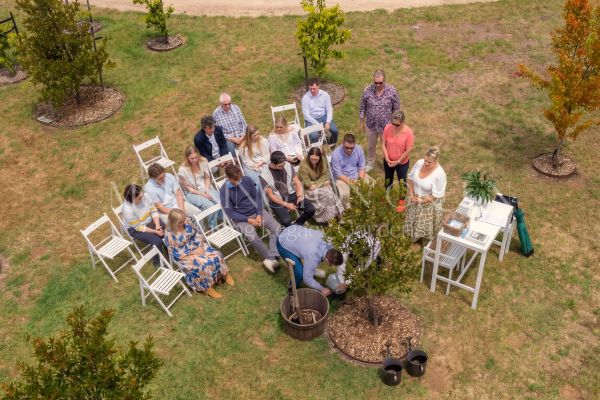
12. Plant a tree in their memory

Something living gives a family somewhere to keep returning to, in a way a single day at a venue doesn't. It matters more when the species or the spot connects to them somehow, a tree they always admired, a colour, a place.
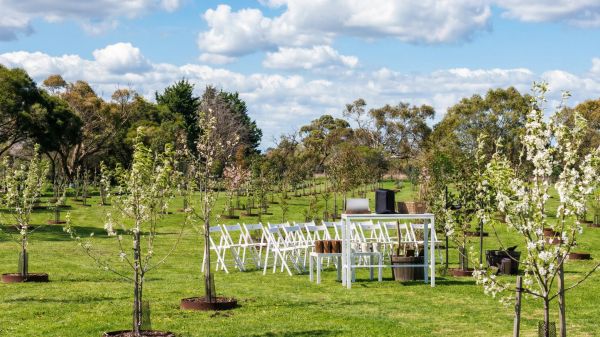
Mornington Green, for instance, holds the ceremony and the tree planting together in the same sitting, in its gardens on the Mornington Peninsula, as part of what it calls a Life Celebration Package, so the gathering and the resting place aren't two things arranged months apart. If you'd rather choose a species and plant it elsewhere, the best native Australian trees for memorials is a reasonable place to start.
13. Include those who can't be there
Not a general livestream running in the background, but something built around the actual person who's missing: a message recorded just for them, a call at the exact moment something meaningful happens, an empty seat with a few notes left on it for them to read later. It's easy to leave this until the last minute, and it's usually the thing that means the most to the person it's for.
None of this needs to be elaborate. The families who feel like they got it right are usually the ones who picked something true to the person, not something impressive.